Interior shading
The roller blind, done properly for course-facing glass
Most of the glazing that matters in River Club is wide, tall and pointed at the golf course. A roller earns its place on that glass by disappearing — one quiet fabric plane that works with the view instead of against it.
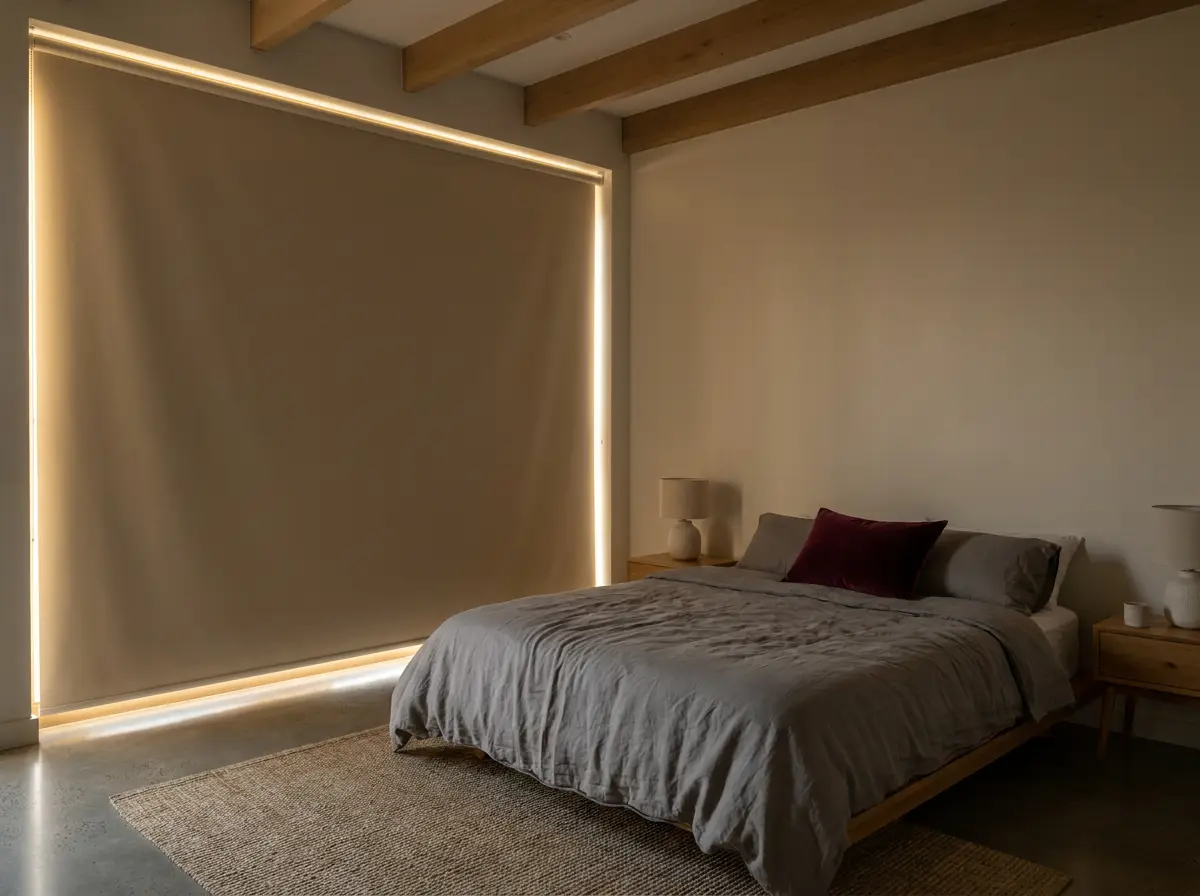
One tube, one sheet — that's the whole machine
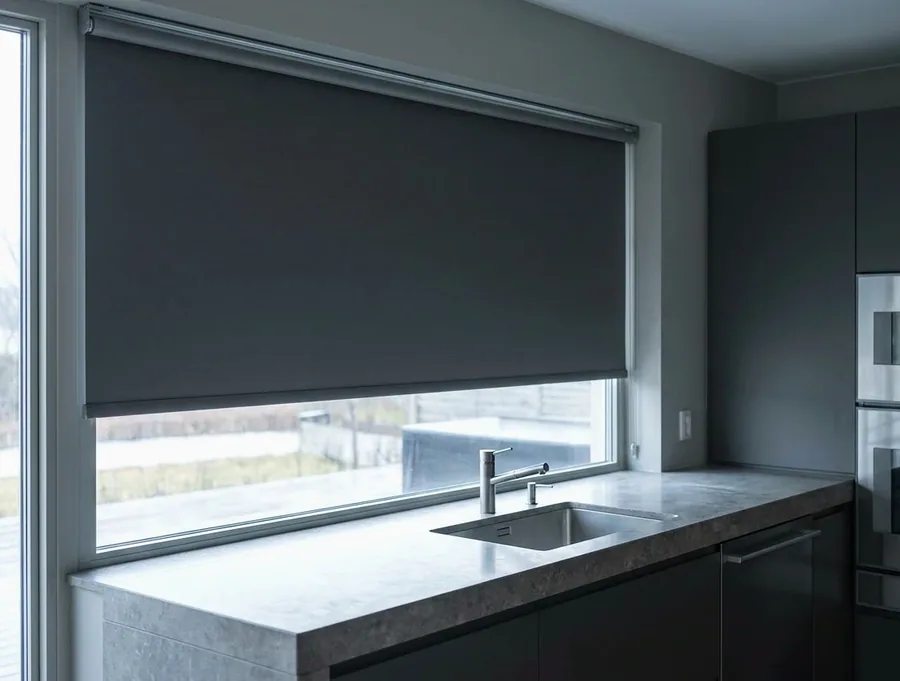
Strip a roller blind to its parts and there's almost nothing there: a fabric panel, an aluminium tube, a bracket at each end, and a chain, spring or motor to turn it. That economy is exactly why it suits this suburb's architecture. Where a curtain gathers and a venetian stacks, a roller resolves into a single flat line above the glass — and on a three-metre opening looking over the fairway, restraint reads as luxury.
Because there's so little mechanism, there's also very little to go wrong. The decisions that matter all happen before manufacture: which fabric, which side the control falls, whether the blind lives inside the reveal or proud of it. Those are measure-day conversations, and they're the reason we won't quote off a phone photo.
Openness: the one number to understand before you choose
Roller fabrics are graded by how much light passes through the weave, and that single figure sets what each fabric can and cannot do:
- Sunscreen, 3–5% openness — the fairway-wall standard. The weave cuts glare and UV hard while the course stays visible from your side. One honest caveat we repeat to every client: the daytime privacy it gives reverses after dark, when interior lights make the fabric read see-through from outside.
- Sunscreen, 10% openness — a lighter touch for rooms that face the garden rather than the low west sun; more view, less shading muscle.
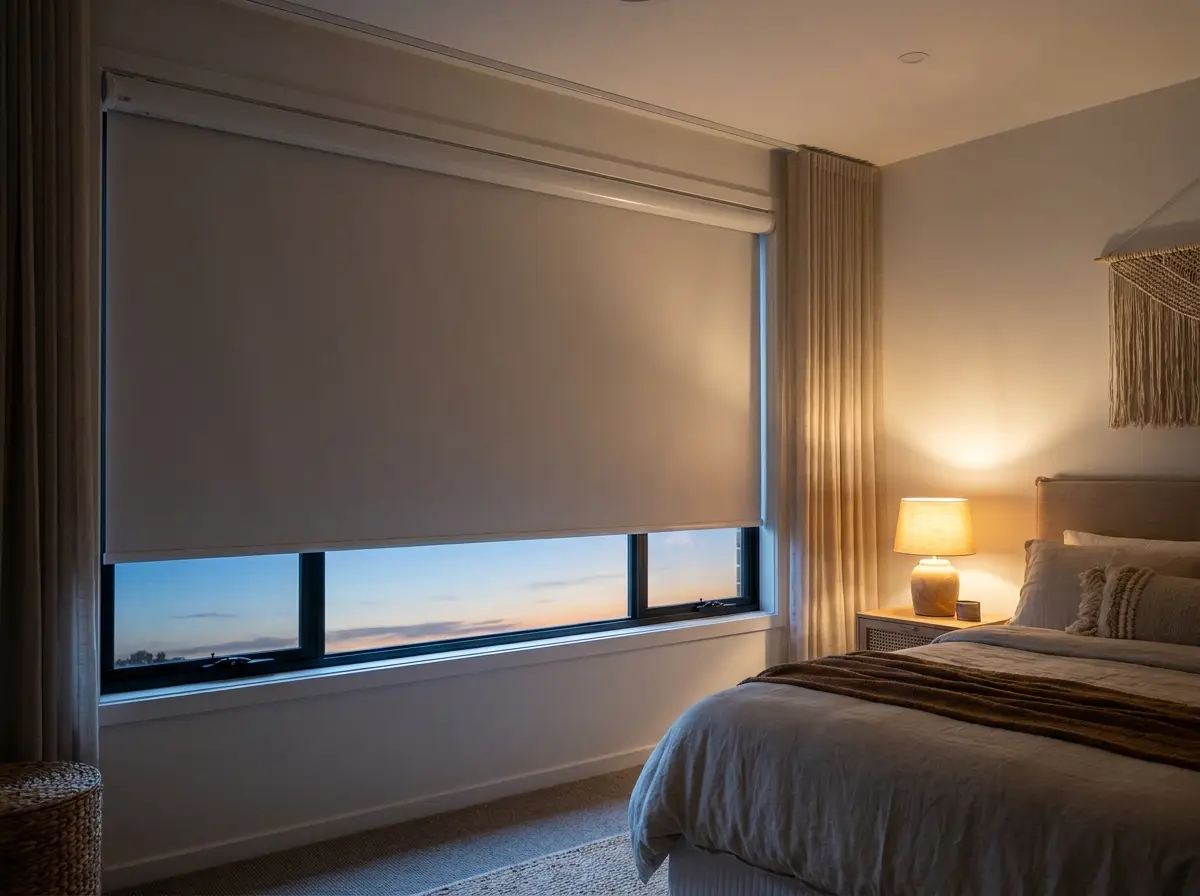
- Blockout — zero openness, total darkness, plus a useful layer of insulation. Bedrooms, nurseries and the TV room. On the course side it's what stops a summer sunrise waking the house at five-thirty.
- Translucent — glows rather than sees: full privacy day and night, no view either way. Bathrooms and street-facing glass, not fairway-facing glass.
Why most fairway walls end up with two fabrics
Ask what we actually fit along River Club's course-facing elevations and the answer is usually a double roller: two tubes on one compact bracket, sunscreen in front, blockout behind. Through the day the sunscreen keeps the green in sight and the glare out of your eyes; at night the blockout drops and the lit room stops being a display case for anyone finishing a late round. Specifying both at the outset costs meaningfully less than adding the second blind a year later.
Chain, spring or motor
A tensioned, child-safe chain is the default and does fine work on ordinary windows. Spring-assist suits blinds you raise and drop many times a day. The honest threshold for motorisation is reach and repetition: one blind you can touch rarely justifies a motor, but a run of big course-facing panels you adjust morning and evening — or a pane above the stair void — almost always does.
Where we'd talk you out of a roller
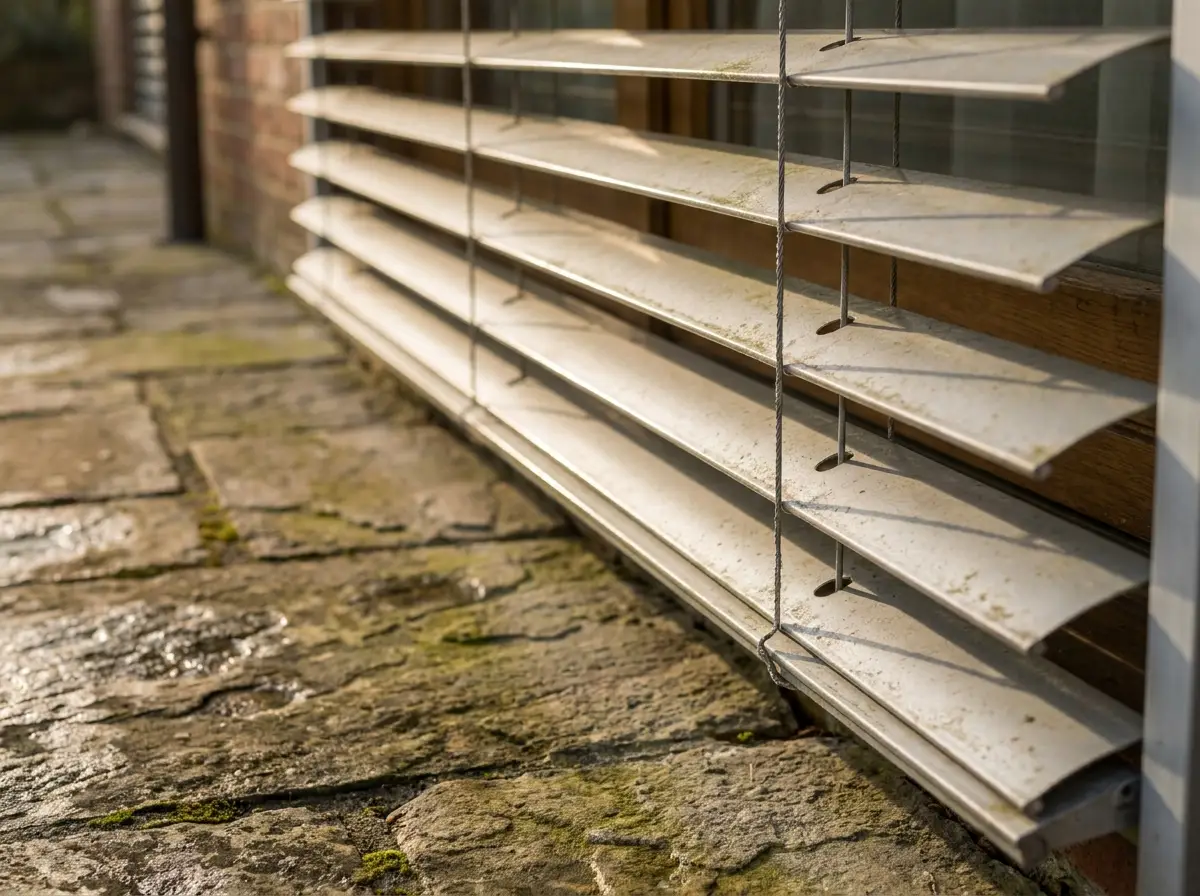
Past a certain width a single fabric panel needs a join, a split into two blinds, or a linked motorised pair — your consultant flags the exact threshold for your fabric at the measure, never after manufacture. And a roller does nothing about heat that's already through the glass; if a west room is genuinely cooking, read up on external venetians before you spend on interior fabric.
Put numbers to the fairway wall
One visit, every opening measured, and a per-window price in writing before you decide anything.
Book your free measureWhat it costs
Where a roller lands per square metre
Guide figures, installed. A chain or spring roller in blockout, sunscreen or a light-filtering fabric works out at R1,000 to R1,600 per square metre; an entry blockout is at the bottom of that band and a premium mesh, a cassette or a double bracket at the top. Put a motor in that same window and it lands at R2,500 to R3,800 per square metre.
A small window carries a minimum charge, because the tube, the brackets and the fitting are the same job at almost any width. On a long fairway-facing wall the real question is usually how many blinds share the run rather than what each one costs, and that gets settled at the free measure, with the per-window price confirmed in writing afterwards.
Also consider